
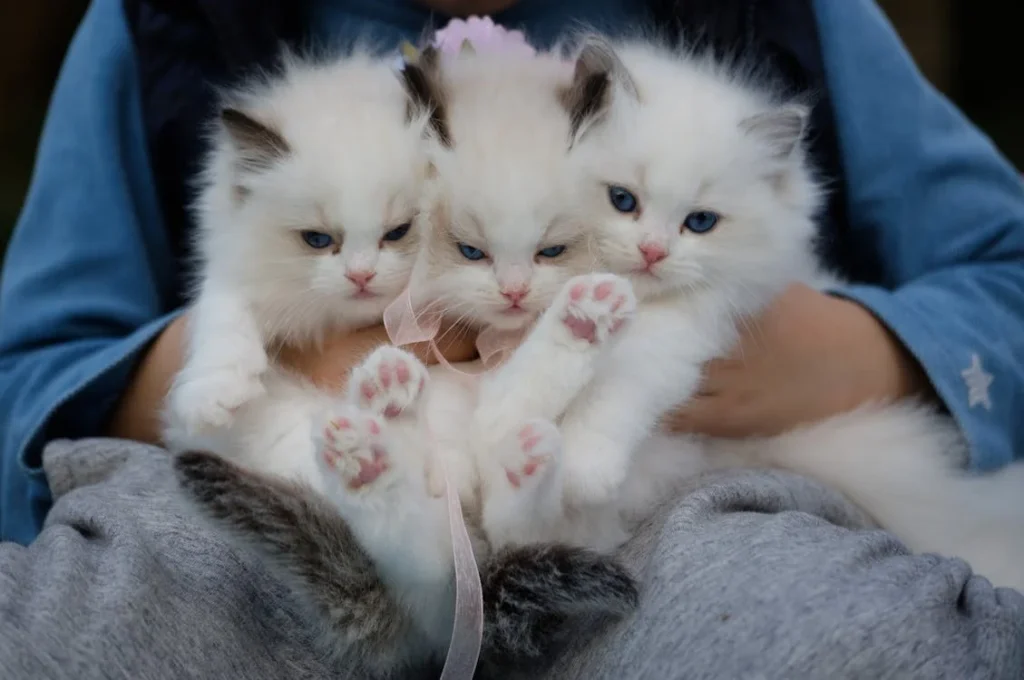
For thousands of years, cats have enchanted people with their elegant motions, lively dispositions, and enigmatic actions. Cats, one of the most common pets in the world, provide comfort and company while retaining an independent nature that appeals to many. They are fascinating companions because of their special blend of love and distance, which allows them to develop close relationships with their owners while maintaining their independence. The intriguing history of cats, their many breeds and traits, their basic care needs, and the many advantages they offer are all covered in this article. By comprehending these facets, we can have a deeper knowledge of why cats are so beloved in our homes and hearts and why they are still cherished companions in contemporary society, enhancing our everyday lives in a myriad of ways while adjusting to their owners’ lifestyles.
Cats Have a Rich History
Cats (Felis catus) have been domesticated since ancient times; evidence points to the Near East as the starting point for this practice some 9,000 years ago. By developing a mutualistic relationship with people, cats effectively domesticated themselves, in contrast to dogs, which were purposefully bred for particular features. Because rodents were drawn to grain stockpiles by early agricultural methods, wildcats started looking for these food sources. EVentually, a mutually beneficial relationship developed as a result of humans tolerating the cats’ existence and their assistance in controlling the rodent population. Ancient Egyptians held cats in high regard and identified them with the goddess Bastet, who stood for protection, motherhood, and fertility. Because of their high social standing, they frequently mummified and buried cats with their owners because they considered them to be sacred animals. The expansion of cats across many cultures, including those in Europe and Asia, was facilitated by this veneration. Cats were persecuted during the Middle Ages because they were thought to be witches, which resulted in a decrease in their numbers and a bad reputation that persisted for centuries. It was not until the Renaissance that people’s perceptions of cats started to change and they were once again regarded as desirable pets, especially by the nobility. A renewed interest in cat breeding during the Victorian era in the 18th and 19th centuries resulted in the creation of the several cat varieties that exist today. The popularity of cat shows, which showcased the distinctive qualities and beauty of various breeds, increased in the late 19th century. Cats are one of the most popular pets in the world today, and there are many different varieties that exhibit a variety of looks, personalities, and characteristics, ranging form the lively Siamese to the majestic Maine Coon. Knowledge of this fascinating past not only broadens our admiration for cats but also influences how we treat and engage with them in the present, illuminating the nuanced interaction between us and these mysterious animals.
Choosing the Ideal Cat for Your Way of Life
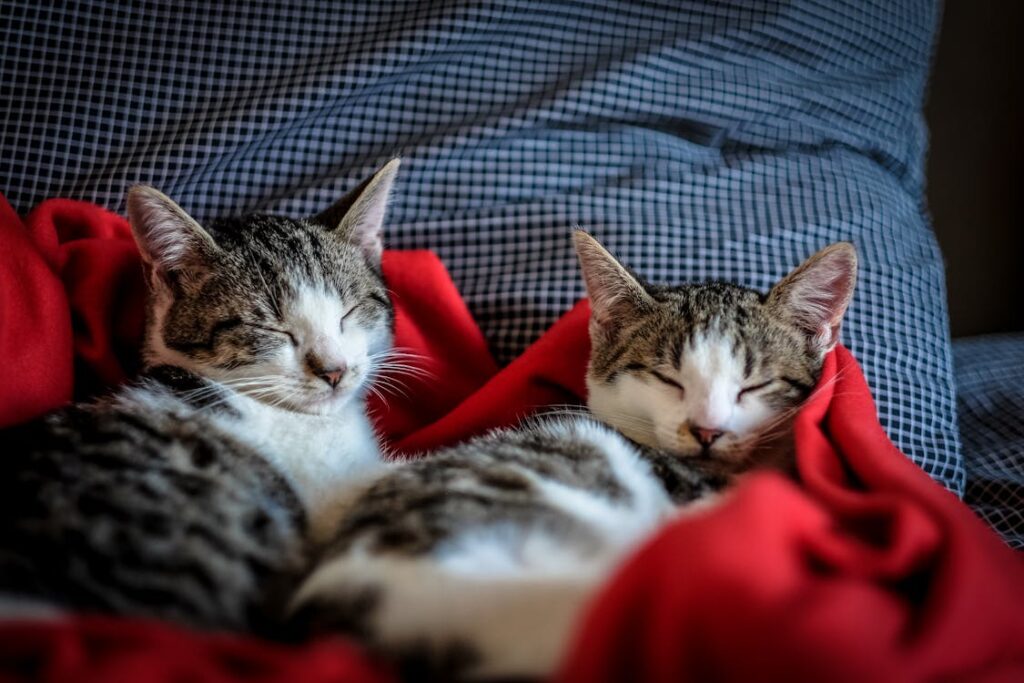
Selecting the ideal cat requires taking into account a number of variables to guarantee a positive relationship between the cat and its owner. Age, your living condition, and breed traits are important factors to take into account. Breeds vary in their temperaments, energy levels, and characteristics. For instance, someone looking for a more relaxed friend, like a Persian cat, might not enjoy the energetic and gregarious personality of a Bengal cat. Because some varieties are noted for their friendly demeanor, while others may be more independent or reserved, knowing the personality of the breed will help you pick a cat that fits with your lifestyle. A cat’s behavior is also greatly influenced by its age. While adult cats are usually more relaxed and may already have established personalities, which makes them easier to incorporate into a family, kittens are active, energetic, and frequently take more time and patience to teach and socialize. However, senior cats can also be quite affectionate and greatful for a peaceful environment, even though they frequently have their own demands, such as special diets or medical considerations. Visiting nearby shelters and rescue groups might give you information about a cat’s needs and temperament when you’re thinking about adopting one. form tiny kittens to elderly cats seeking a second chance at life, many shelters house a diverse range of felines. In addition to giving a needy cat a loving home, this alternative is frequently less expensive than buying from breeders. Finding a trustworthy breeder that puts their cats’ health and wellbeing first is crucial if you decide to purchase. In order to make sure that prospective owners are informed of any breed-specific health issues, ethical breeders do health examinations and give their animals a loving home. IN the end, choosing the ideal cat requires balancing lifestyle factors, personal preferences, and a dedication to giving your new feline friend a caring home in order to foster a lifelong relationship that will benefit both you and your pet.
Crucial Maintenance for a Contented and Healthy Cat
A cat’s health and happiness throughout their lives depend on receiving the right care. High-quality cat food that is suited to your cat’s age, size, and particular health requirements is crucial, but a balanced diet is the cornerstone. Since cats are obligate carnivores, the majority of their food must be meat in order to satisfy their nutritional needs. Considering any unique nutritional needs or health concerns, speaking with a veterinarian can assist you in choosing the ideal diet for your cat. Maintaining a cat’s health requires routine veterinary examinations because preventative therapy, such as immunizations, flea and tick treatments, and dental care, can help detect and stop possible health problems. Regular examinations can also help identify any underlying issues early on, giving your cat a longer, healthier life. Another crucial component of cat care is grooming, however breed-specific requirements differ. While short-haired breeds can require less frequent maintenance, long-haired breeds—like the Ragdoll or Maine Coon—need to be brushed frequently to avoid matting and hairballs. A cat’s grooming regimen must also include routine dental care and nail trimming. A cat’s wellbeing also depends on providing a stimulating environment. Giving cats toys, scratching posts, and climbing frames helps keep them interested and mentally busy because cats are inherently energetic and inquisitive. Engaging in interactive playtime with your cat not only keeps them physically fit but also improves your relationship with them. Additionally, since cats can have specific potty habits, it is crucial to provide them with a clean and convenient litter box for their comfort and cleanliness. In the end, maintaining your cat’s health and happiness requires a dedication to their mental, emotional, and physical health in order to enable them to flourish in your home and develop a fulfilling relationship with you.
The Enhanced Advantages of Owning a Cat
Having a cat improves our mental, emotional, and physical health in addition to the obvious pleasure of friendship. The companionship that cats provide is one of the biggest benefits of owning one. Anxiety and loneliness can be lessened with the warmth and emotional support that cats can offer. THeir purring, which is frequently characterized as peaceful, fosters relaxation and lowers stress levels in the home. According to studies, caressing a cat can cause the production of oxytocin, also known as the “love hormone,” which promotes emotions of contentment and closeness. Because having a cat can give people a feeling of purpose and company during trying times, this emotional bond can be especially helpful for people going through difficult circumstances. A sense of routine and responsibility can also be fostered by cat ownership. Those going through difficult times or life transitions may find that taking care of a pet pet gives them a sense of purpose. Feeding, grooming, and playing together each day establish a disciplined pattern that can improve general wellbeing. Additionally, research has shown that cat owners may have a lower risk of blood pressure and heart disease. A cat’s soothing presence can improve cardiovascular health by lowering stress chemicals in the body. Additionally, through play, cats frequently motivate their owners to exercise, which can support a healthy way of living. Whether through online forums, neighborhood cat clubs, or casual get-togethers, cat owners frequently unite over their shared love of cats. Connecting with people who have similar interests can be facilitated by this social component, which can can foster a sense of belonging. The path of pet ownership is both gratifying and enjoyable because of the companionship, emotional support, sense of duty, and social connections that come with owning a cat.
In conclusion
Cats have the captivating power to win our hearts and turn our houses into devoted havens. They are such beloved pets because of their extensive history, variety of breeds, basic maintenance needs, and many advantages. As we accept the obligations that come with owning a cat, we not only give these amazing animals a loving home, but we also witness the myriad ways in which they improve our lives. Through their entertaining antics, calming demeanor, or consoling company, cats serve as as a reminder of the value of love and connection. The experience of living with a cat is evidence of the strong and lasting connection that forms between people and their feline companions, resulting in a partnership that is both satisfying and gratifying. We come to appreciate the beauty of their independence, the depth of their affection, and the numerous ways they improve our everyday lives as we continue to learn from our feline friends.