
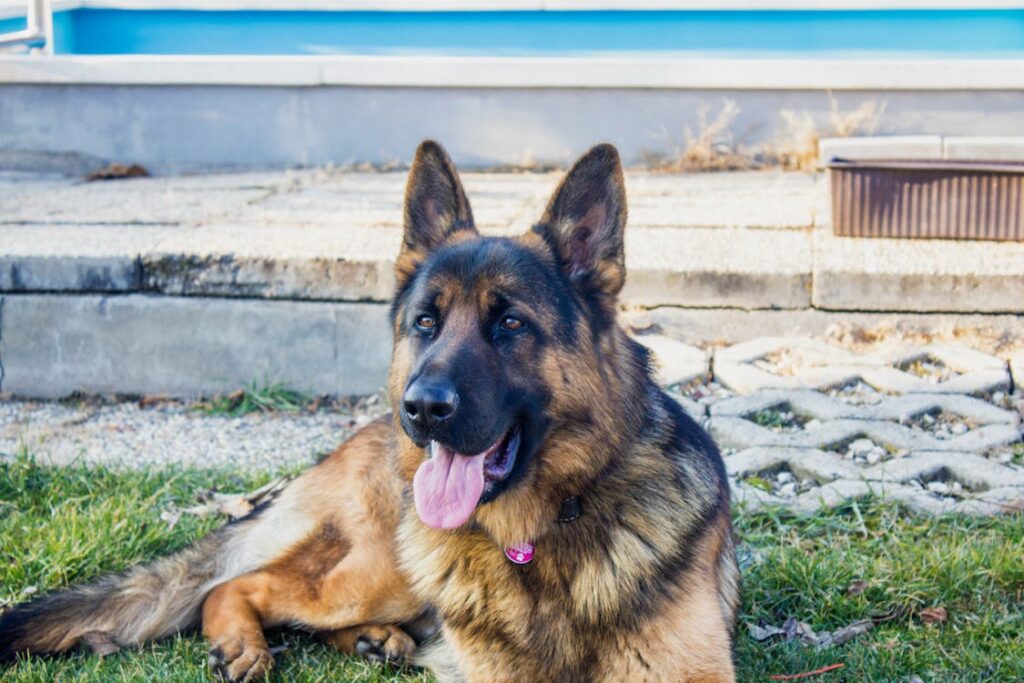
One of the most well-known and well-liked dog breeds in the world, the German Shepherd is praised for its power, intelligence, and adaptability. The breed was first created in Germany in the late 19th century to defend cattle and herd sheep. Since then, it has expanded into a variety of functions, such as service animals, police and military dogs, and cherished family pets. In addition to being great working dogs, German Shepherds are also faithful companions because of their amazing appearance, which includes a powerful, muscular frame and a distinctive black and brown coat. This article explains why German Shepherds are among the most prestigious dog breeds in the world by examining their background, traits, training, health issues, and the various roles they play in our lives.
German Shepherd Origins and History
The history of the German Shepherd begins in the late 1800s, when Germany was developing a variety of herding dogs. The breed was mainly developed by Captain Max von Stephanitz, who wanted to create a multipurpose herding dog that would be good at protecting, herding, and being a friend. Hektor Linksrhein, the dog von Stephanitz bought in 1899, has the traits he was looking for in a working dog. He solidified the establishment of the German Shepherd breed by renaming the dog “Horand von Grafrath” and founding the first German Shepherd breed organization. BEcause of its intelligence, devotion, and trainability, the breed quickly became well-liked and became a vital resource for German farmers and ranchers. The German military made widespread use of German Shepherds during World War I for a variety of purposes, such as sentry work, search and rescue, and messenger dogs. Their valor and success in these capacities further enhanced their standing and sparked interest in the breed outside of Germany. German Shepherds were sent to the US after the war, and they immediately gained popularity as service and police dogs there. The breed’s reputation for inteligence and adaptability made it a great fit for a variety of jobs, such as detecting work, search and rescue, and helping people with impairments. German Shepherds are beloved household pets today and are known for their exceptional skills in a variety of domains, such as search and rescue, law enforcement, and military service. In addition to demonstrating the breed’s transformation from a herding dog to a versatile working dog, its rich history also highlights the close relationship and mutual respect that can grow between dogs and their handlers.
Personal Qualities and Attitude
German Shepherds are muscular, athletic dogs that are big and sturdy. Typically, females weigh between 50 and 70 pounds, and males weigh between 65 and 90 pounds. Their erect ears, long, bushy tail, and well-proportioned body give them a unique appearance taht conveys intelligence and alertness. The breed’s coat, which comes in a variety of hues such as solid black, sable, and black and tan, is thick and resistant to weather. Regular grooming is necessary to keep this lovely coat healthy and mat-free. teh German Shepherd’s intelligence is among its most most distinctive characteristics. THe breed is very trainable and task-adaptable, regularly ranking in the top three most intellectual dog breeds. They are great prospects for advanced work in areas like search and rescue, detection, and protection becuase of their intelligence and intense desire to please their masters. But because of their intelligence, German Shepherds also need mental stimulation and frequent exercise to avoid boredom and destructive tendencies. Agility training, obedience classes, and interactive games are some of the activities that can keep a German Shepherd active and happy. German Shepherds have a reputation for being devoted and instinctively protective. They develop close relationships with their families and are frequently kind and loyal friends. Because they are inherently wary of strangers and will warn their owners of any perceived danger, their protective instinct makes them great watchdogs. For German Shepherds to become well-rounded individuals, early socialization is essential. essential. Later in life, fear and hostility can be avoided by exposing them to a variety of situations, people, and other animals during their formative months. All things considered, the German Shepherd’s intellect, devotion, and adaptability make it a great option for active people, families, and anybody looking for a loyal friend who can perform a variety of tasks.
Socialization and Training
Because German Shepherds are eager to learn and have a strong desire to please their owners, training them is a joyful and happy experience. For this breed, early socialization is essential to their development into well-mannered adults. During the crucial socialization stage, which usually lasts from 3 to 14 weeks of age, exposing them to a variety of situations, people, and other animals can help avoid behavioral problems like agression and fear. Puppy courses are a great method to introduce basic commands in a safe environment and help with socialization. Early instruction in fundamental obedience skills should include teaching words like “sit,” “stay,” “come,” and “down.” When German Shepherds successfully obey directions, rewarding them with treats, praise, or playtime encourages them to repeat the behavior. This is because German Shepherds thrive on positive reinforcement approaches. Because these dogs can occasionally push boundaries, consistency in training is essential. Good habits can be reinforced by giving clear instructions and upholding a regimented schedule. Many German Shepherds thrive in more complex training programs as they become older, such as agility, obedience contests, and service dog training. Because of their intelligence and versatility, they can be used for a variety of tasks, such as search and rescue dogs who find missing people or therapy dogs that comfort patients in hospitals and assisted living facilities. Both the person and the dog can benefit from adding enjoyable activities to training sessions. Interactive games like agility courses, tug-of-war, and fetch give dogs mental stimulation in addition to physical training. Additionally, German Shepherds can be kept active and avoid boredom by being given mental challenges like puzzle toys or scent work. It is impossible to overestimate the value of socialization and training since a well-trained German Shepherd is not only a pleasure to have around but also a responsible friend who can handle a variety of challenges in daily life. German Shepherd owners may make sure their dogs develop into well-mannered, content, and obedient friends by devoting time and energy to training and socialization.
Health-Related Issues
Potential owners should be informed that German Shepherds, like all breeds, are susceptible to certain health problems. Hip and elbow dysplasia, which are hereditary disorders that impact impact joint formation, are among the most prevalent issues. If left untreated, these disorders might result in movement problems and arthritis. Frequent veterinary examinations and screenings can assist in detecting these problems and enable prompt treatment. German Shepherds are also vulnerable to degenerative myelopathy, a progressive spinal cord condition that can impair mobility and coordination. Genetic testing and other responsible breeding methods can lower the chance of inherited health problems. Bloat or gastric torsion, a potentially fatal illness that arises when the stomach fills with gas and twists on itself, is another health concern for German Shepherds. Restlessness, a swollen abdomen, and unsuccessful attempts to throw up are symptoms of bloat. Owners must be aware of these symptoms and seek veterinarian attention right once if they think their pet may be bloated. Eating smaller, more frequent meals and avoiding strenuous exercise right after meals can help prevent bloat. youre German Shepherd needs a balanced diet that is appropriate for their age, size, and level of activity if you want them to live a long and healthy life. To find the ideal feeding schedule, including portion sizes and food kinds that suit youre dog’s specific requirements, speak with a veterinarian. Maintaining your German Shepherd’s physical and emotional health requires regular exercise. Their general health can be preserved by taking them on daily walks, playing with them, and doing mentally taxing activities. Owners can have many happy years with their German Shepherd companions by taking proactive measures for there health and well-being, which will strengthen their link and build mutual respect and trust.
German Shepherds’ Diverse Functions
Beyond just being family pets, German Shepherds have shown themselves to be incredibly useful companions in a variety of settings. They can be used in a variety of tasks due to their intellect, adaptability, and protective nature. Serving as service dogs is one of the most well-known functions that German Shepherds perform. They have received training on how to help people with disabilities, including those who have vision problems, mobility issues, or other medical ailments. Service dogs improve their handlers’ independence and quality of life by offering crucial help. Both the dog and the person they help benefit greatly from the thorough training and substantial time commitment required for service work. German Shepherds are frequently used in therapy roles in addition to their service duties, visiting elderly homes, schools, and hospitals to offer companionship and emotional support. They are great therapy dogs because of their kind and loving disposition, which helps people who are in need feel less stressed and anxious. Because German Shepherds are known for their capacity to comfort and connect with humans, several therapy organizations train them especially for these purposes. German Shepherds are also frequently used in military and law enforcement settings. They are perfect for finding missing people, spotting drugs and explosives, and catching criminals because of their excellent sense of smell and diligent work ethic. German Shepherds are used for these vital tasks by several police forces worldwide, demonstrating their efficiency and adaptability. Additionally, German Shepherds perform exceptionally well in search and rescue missions. They are extremely helpful in finding lost people in a variety of settings, including wilderness places and disaster-affected areas, due to their innate intuition and capacity for high-pressure job. THe breed is also frequently employed in protection jobs since they are great protectors for homes and properties due to their loyalty and protective nature. All things considered, the German Shepherd’s versatility and adaptability are highlighted by its capacity to serve a variety of purposes, including working, therapy, and household pets. In addition to being great companions, their steadfast loyalty and protective demeanor also increase their efficacy in a variety of professional roles, thereby improving the lives of people they serve.
In conclusion
One of the most prestigious and adaptable dog breeds is the German Shepherd, which is renowned for its intellect, loyalty, and diligent work ethic. From its beginnings as a herding dog to its current functions in law enforcement, therapy, and service, the German Shepherd has established itself as a vital member of both families and individuals. They make great guardians and loyal family members because of their protective instincts and loving disposition. Understanding a German Shepherd’s requirements for socialization, training, exercise, and medical attention is essential for prospective owners thinking about adopting one into their home in order to have a happy and healthy connection. Owners can reap the many benefits of living with a German Shepherd by taking an active approach to their training and maintenance. In the end, teh relationship developed with these exceptional canines improves the lives of the animals and their owners, ensuring that the German Shepherd will be a beloved friend for many years to come. By honoring the breed’s distinctive traits, we recognize not only its value as a family pet but also its important contributions to society in a variety of professional roles, highlighting the close bond that endures between people and dogs thanks to mutual trust and companionship.