
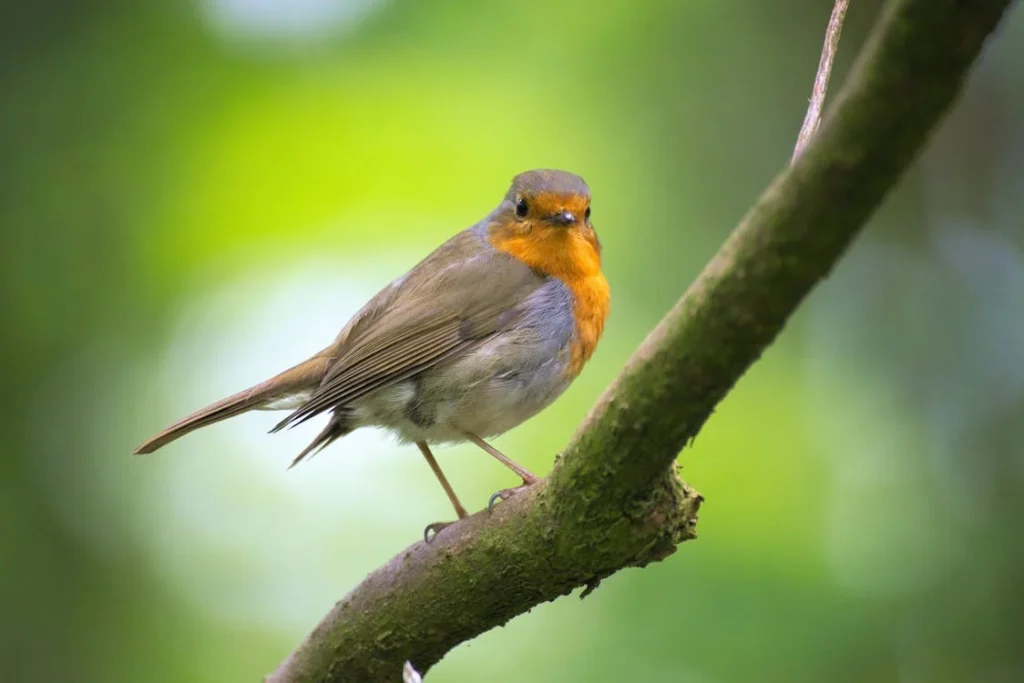
Birds’ vivid colors, catchy melodies, and amazing behaviors have captured people’s attention and imagination throughout history. Birds, one of the most varied animal groups on Earth, live in a wide variety of habitats, from dry deserts to lush rainforests, and have remarkably adapted to their unique settings. In addition to captivating ornithologists and birdwatchers, their distinctive traits and habits serve as an inspiration to poets, artists, and nature enthusiasts worldwide. Ornithology, the study of birds, has developed into a thriving scientific discipline that advances our knowledge of avian ecology, biology, and conservation. The amazing diversity of species and their habitats, the pleasures and difficulties of birdwatching and pet bird ownership, the rich history of birds and theyre cultural significance, and the vital functions that birds play in our ecosystems are all covered in this article. We can gain a deeper understanding of the avian world and the significance of preserving these amazing animals for future generations by investigating these facets.
Birds Have a Long History in Human Culture
Birds and humans have a long and complex relationship that dates back thousands of years and is intricately entwined with utilitarian, spiritual, and cultural facets of life. Birds were often considered sacred creatures in ancient societies, acting as messengers between the terrestrial and celestial worlds and as emblems of divinity. For example, Thoth, the deity of writing and knowledge, was frequently linked to the ibis, which was seen as a symbol of wisdom and understanding in ancient Egypt. The scarab beetle, which was occasionally pictured with birds, stood for rebirth and the circle of life, while the hawk, which denoted the sky, was associated with Horus, the deity of kingship and the sky. In a similar vein, teh owl was revered as a representation of wisdom in Greek mythology and was linked to Athena, the goddess of combat and wisdom. Beyond mythology, birds were significant because they were depicted in literature, art, and folklore. Birds have served as a source of inspiration for numerous poets and authors, who have used their songs and actions as metaphors for human experience, freedom, and love. For instance, in poetry, the nightingale’s song has come to symbolize beauty and longing, while the picture of soaring eagles has come to symbolize hopes and victory. Birds have also had a useful purpose in human civilization. The historic practice of teaching raptors, such falcons and hawks, for hunting, known as falconry, has been practiced practiced for thousands of years and exemplifies the connection between humans and raptors. This custom demonstrates human creativity in using nature’s resources for nutrition, in addition to showcasing the birds’ abilities. Another example of the useful relationship humans have developed with birds is the domestication of pigeons for communication, especially during times of conflict. Our knowledge of bird life was further cemented in the 19th century with the introduction of ornithology as a scientific field. The groundwork for contemporary birdwatching and conservation initiatives was laid by pioneering ornithologists like John James Audubon and Roger Tory Peterson, who made contributions to the study of bird behavior, migration patterns, and taxonomy. Millions of individuals participate in citizen science initiatives that track bird populations and migration patterns, demonstrating how popular birdwatching is today. The strong connection between avian life and the human experience is highlighted by the rich history of birds in human culture, underscoring the significance of protecting these animals for the enjoyment and education of future generations.
Bird Diversity and Their Environments
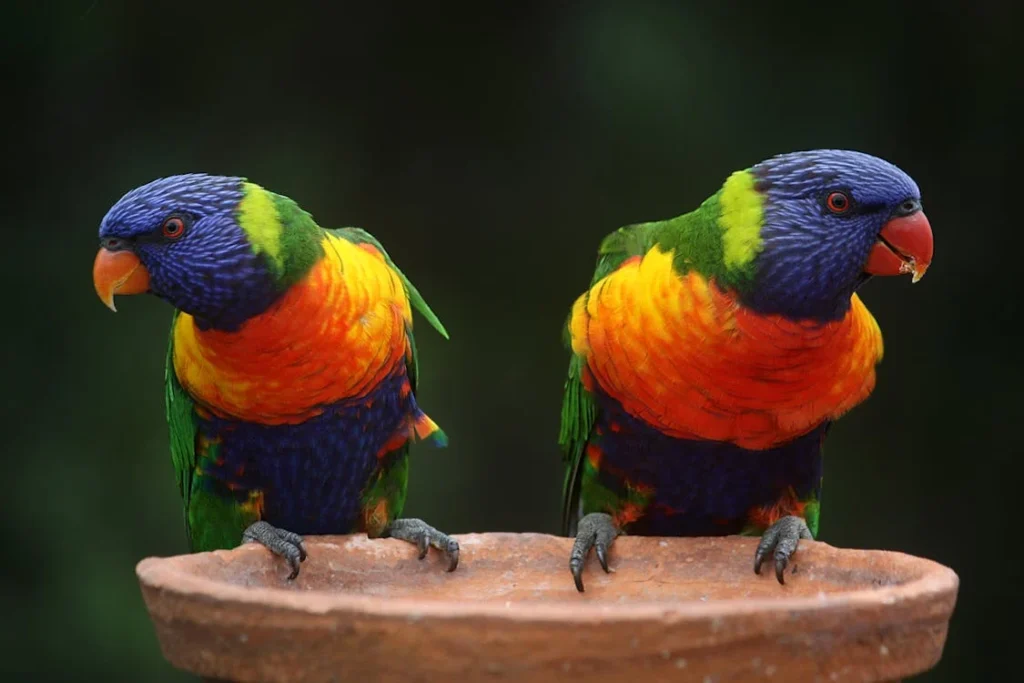
With over 10,000 recognized species that display an astounding variety of shapes, sizes, colors, and behaviors tailored to they’re unique habitats, birds are among the most diverse animal groups on Earth. Birds exist in a variety of shapes and sizes, from the tiny hummingbird, which can flap its wings at amazing speeds, to the magnificent albatross, which can glide grate distances and has a long wingspan. The variety of bird species can be divided into several groups, such as raptors, waterfowl, songbirds, and flightless birds, each of which has special characteristics that allow it to flourish in its particular habitat. As an illustration, songbirds, sometimes known as oscine birds, are well known for their intricate vocalizations, which they employ for mating attraction, territory establishing, and communication. Common members of this group, which are frequently found in urban and suburban areas, include the American robin and the common sparrow. Because of theyre excellent vision and powerful talons, raptors—which include eagles, hawks, and owls—are able to hunt effectively and control their ecological niches. THe ability of raptors is best demonstrated by the bald eagle, a symbol of strength and independence that soars through the skies in search of prey. Ducks, swans, and geese are examples of waterfowl that are well suited to aquatic habitats; their waterproof feathers and webbed feet help them survive. Commonly seen in parks and wetlands, species such as the mallard duck flourish in both fresh and saltwater environments. In addition, birds without wings, such as kiwis and ostriches, have evolved in isolation on islands and have adapted to their particular environments, acquiring traits that make them suitable for ground dwelling. While the kiwi, a native of New Zealand, has a long beak and a good sense of smell taht allow it to search for insects and worms in the forest floor, the ostrich, the largest bird in the world, is renowned for its amazing racing speed. From wetlands and urban areas to dense woods and grasslands, birds live in a variety of habitats that sustain different bird groups. For example, wetlands offer vital habitat for shorebirds and migrating waterfowl, while tropical rainforests are home to hummingbirds, colorful parrots, and toucans. One of the planet’s most biodiverse regions, the Amazon rainforest is home to a wide variety of bird species, such as the harpy eagle and the dazzling quetzal, which highlight the complex relationships between avian life and its surroundings. Given that habitat loss and degradation pose serious challenges to avian populations globally, conservation efforts must take into account the diversity of birds and their habitats. The existence of the numerous bird species that enhance our planet and add to the general well-being of the environment is ensured by protecting these ecosystems.
The Pleasures and Difficulties of Pet Bird Ownership and Birdwatching
Millions of people worldwide love birdwatching because it’s a great way to get in touch wtih nature and see birds in their natural environment. Birdwatching promotes mindfulness and an appreciation for the environment while enabling lovers to enjoy the beauty and diversity of birds in backyards, parks, or isolated wilderness locations. With binoculars and field guides in hand, birdwatchers frequently document their observations in diaries, noting habitat preferences, species behavior, and plumage details. One’s connection to nature might be strengthened by the excitement of seeing a rare bird or observing a distinctive behavior. Since many enthusiasts join local groups or take part in planned activities like bird counts and festivals, birdwatching can also be a social hobby where they may exchange knowledge and experiences. But there are drawbacks to birdwatching as well, such the requirement for patience, familiarity with bird cries, and an awareness of the significance of moral birdwatching techniques. The need for responsible observation techniques is highlighted by the fact that disturbing nesting sites or getting too close to birds can cause stress and injury to avian populations. However, owning birds as pets comes with its own set of benefits and obligations. Because of their entertaining behaviors and vocalizations, pet birds like cockatiels, parakeets, and canaries can develop close relationships with their owners and bring happiness and friendship. Since many kinds of birds are recognized for their loving behaviors and capacity to mimic human speech, having a pet bird can be a source of comfort and happiness. Owning a pet bird, however, necessitates a substantial commitment to their upkeep, which includes adequate food, social connection, and mental stimulation. Because they are gregarious animals who enjoy company, birds may exhibit agressive or feather-plucking behaviors if their social demands are not met. Their wellbeing also depends on giving them a suitable habitat, which includes a roomy cage, toys, and chances for exercise. A happy and healthy pet depends on knowing the unique requirements of various bird species. African grey parrots, for example, need more complicated care, requiring social interaction and mental tasks to prevent boredom, but budgerigars are quite straightforward to care for. A happy and satisfying relationship between birds birds and their owners can result from a dedication to providing a stimulating habitat and routine veterinarian treatment. Both birding and pet bird ownership are fulfilling activities, but they also call for a dedication to ethical behavior that respects the welfare and needs of birds.
Birds’ Crucial Function in Ecosystems
Around the world, birds are vital to preserving the balance and health of ecosystems. They participate in a number of biological processes that maintain biodiversity as pollinators, seed dispersers, and predators. Numerous bird species, including some songbirds and hummingbirds, are essential pollinators for flowering plants, which helps many plant species reproduce. This connection guarantees the persistence of diverse ecosystems and increases plant variety. These plants in turn give other creatures food and habitat, resulting in a complex web of interdependencies within ecosystems. Birds play a significant role in seed dispersal as well; crows and thrushes, for example, eat berries and fruits and then spread seeds through their droppings. By encouraging plant diversity and resilience, this organic process helps forests and other habitats to regenerate. Additionally, as natural pest regulators, birds are essential in regulating insect populations. Smaller birds assist control agricultural pests by consuming large amounts of insects, while raptors like falcons and owls aid in the management of rodent populations. Ecosystems may experiance imbalances as a result of declining bird numbers, which could upset food webs and ecosystem processes. UNfortunately, habitat loss, pollution, poaching, and climate change pose dangers to many bird species. To ensure that ecosystems continue to operate, conservation activities are essential for safeguarding bird populations and their habitats. Through activism, education, and research, groups like the Cornell Lab of Ornithology and the Audubon Society ceaselessly advance bird conservation. We can help preserve these amazing animals and the environments they live in by lending our support to conservation efforts and raising awareness of the value of birds in our surroundings. Understanding how important birds are to preserving ecological balance highlights the need for sustainable practices that safeguard both bird life and the wellbeing of our world. We may endeavor to create a more sustainable future that benefits both humans and birds by restoring habitat, including the community, and managing wildlife responsibly.
In conclusion
We are encouraged to investigate the beauty, diversity, and complexity of avian life by the fascinating world of birds. Birds have a particular place in both our hearts and ecosystems because of their important ecological roles and rich historical relevance in human culture. Our relationship with these amazing animals deepens our understanding of nature and cultivates a sense of responsibility for conservation, whether it is through the pleasure of birding or the company of pet birds. We are reminded of the complex relationships found in ecosystems and the significance of preserving these delicate settings as our admiration for for birds grows. We can guarantee that future generations will continue to be in awe of the beauty of birds and the essential roles they play in our world by raising awareness and practicing responsible behavior. By honoring the variety of birds, we acknowledge that it is our collective duty to save and maintain the environments that support these remarkable animals, guaranteeing that the happy melodies and brilliant hues of birds will endure for generations to come. In the end, learning about and appreciating birds not only improves our quality of life but also emphasizes how intertwined all living things are, which motivates us to cooperate in order to ensure a sustainable future for our world and its bird residents.