
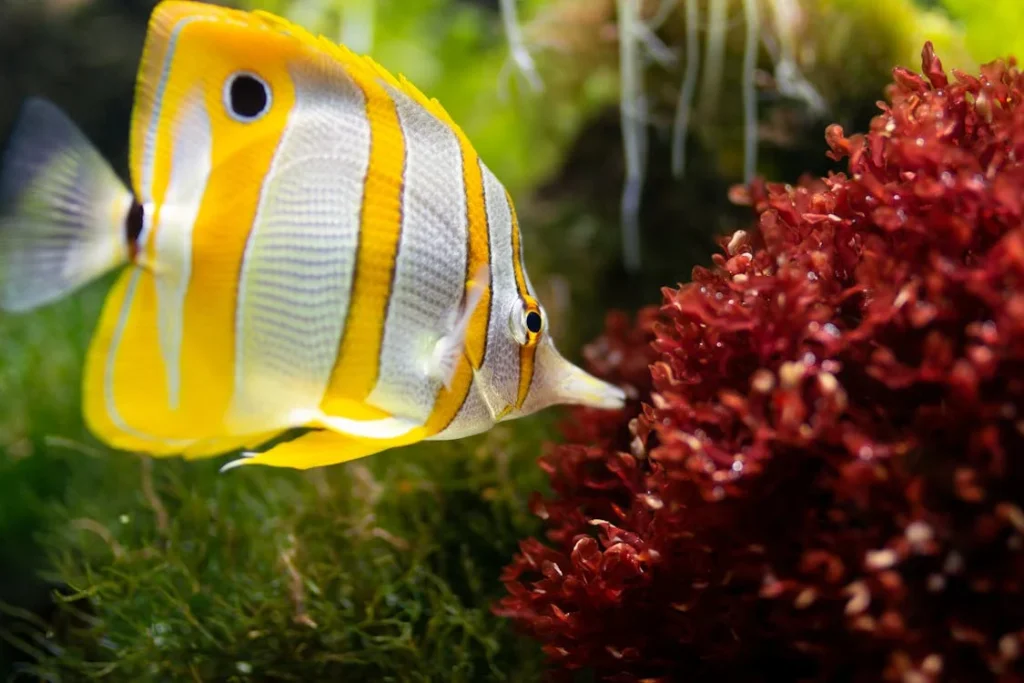
Fish are among the most common pets in the world because of their vivid colors, complex habits, and variety of shapes, which have long enthralled people. Many people find that the appeal of keeping fish extends beyond the visual enjoyment of seeing these aquatic animals; it includes a long history of cultural significance, a range of species with different care needs, and other advantages that affect our mental and emotional health. In addition to offering a chance to enjoy the beauty of aquatic life, fishkeeping is a rewarding pastime that fosters environmental consciousness and responsibility. The history of fishkeeping, the different kinds of fish and their requirements for care, the many advantages of keeping fish as pets, and the environmental factors involved in preserving aquatic ecosystems are all covered in detail in this article. We can have a thorough grasp of why fish are so important to us and how we can appropriately appreciate the intricacy and beauty of aquatic life by investigating these facets.
A Synopsis of Fishkeeping’s Past
Fishkeeping has been around for thousands of years, and there is evidence that ancient societies were among the first to domesticate fish for decorative purposes. The earliest known fish ponds were built in China circa 5000 BCE, according to archeological discoveries, where carp were kept for both food and ornamentation. Fish were an essential component of garden landscapes and ceremonial events as a result of these early fishkeeping techniques, which not only offered a source of food but also a means of aesthetic enjoyment. Fish were likewise prized by the ancient Egyptians, who frequently portrayed them in their mythology and artwork. They incorporated fish symbolism into their religious rituals, associating them with fertility and abundance. Rich people in ancient Rome had sophisticated fish ponds with exotic species nad cutting-edge methods to keep the water conditions ideal. But fishkeeping didn’t become a popular pastime until the 19th century, especially in North America and Europe. The technique was transformed in the 1840s with the introduction of glass aquariums, which made it easier to maintain and allowed for greater sight of aquatic life. With the use of plants, rocks, and ornaments, aquarists could now construct complex underwater landscapes that mimicked natural environments. Fishkeeping became more accessible to the general people with the advent of electric filtration devices in the early 20th century. As the hobby expanded, access to specialized tools and materials increased, resulting in the formation of aquarium organizations and clubs that promoted interaction within the community and the exchange of knowledge. THanks to technological developments and growing awareness of the aesthetic and therapeutic benefits of aquariums, fishkeeping saw a sharp increase in popularity in the middle of the 20th century. With millions of people enjoying the beauty and peace of fishkeeping in anything from tiny home aquariums to massive public displays in aquariums and marine parks, the aquarium industry is still thriving globally today. This lengthy history not only demonstrates the fish’s timeless appeal as companions, but it also emphasizes how crucial ethical fishkeeping methods are to the health and welfare of these aquatic animals. Knowing this background enhances our experience as fishkeepers by serving as a reminder of the cultural value of our pastime and our obligation to the ecosystems we mimic in our homes.
Fish Types and Their Maintenance Needs
There are millions of kinds of fish in the globe, and they differ greatly in size, color, habitat, and maintenance requirements. BEcause Because of their comparatively easy maintenance needs, freshwater fish like guppies, bettas, and tetras are popular options for novices. To To give the fish a comfortable habitat, freshwater aquariums can be furnished with a range of plants, substrates, and ornaments. To keep the fish healthy, its critical to maintain the right water conditions, such as pH, temperature, and hardness. To avoid illnesses and maintain healthy, active fish, regular water changes and quality monitoring are essential. For example, guppies prefer slightly alkaline water between 74 and 82 degrees Fahrenheit, whereas bettas like warmer water between 78 and 80 degrees and need special tank arrangements to avoid stress and aggression. However, in order to maintain a stable habitat, saltwater species like tangs, angelfish, and clownfish need more specific care and equipment, such as protein skimmers and live rock. Experienced aquarists are better suited for saltwater tanks because they are typically more complicated and call for a deeper comprehension of marine environments. The complexity of saltwater fishkeeping has expanded with the development of reef tanks, which house fish with coral and other invertebrates. This has made a greater understanding of marine biology and water chemistry necessary. Furthermore, some species—like koi and goldfish—have particular needs, such as bigger tanks or ponds, because they can get very big and generate a lot of waste. Compatibility is a crucial factor to take into account when choosing fish; some species may be territorial or aggressive, while others do well in community tanks. Building a balanced aquarium requires careful consideration of each species’ unique requirements, particularly those related to food, habitat, and social behavior. For instance, some fish may be lonely and need their own space, yet others may prefer to school in bunches. Additionally, knowing fish’s natural behaviors might improve care; for instance, establishing territories and hiding places can ease stress and encourage positive social interactions. Hobbyists can build colorful and thriving aquatic settings that highlight the beauty of these amazing creatures by understanding the care requirements of different fish species. Putting in the time and effort to comprehend these requirements not only helps the fish but also makes the aquarist’s experience more pleasurable and fulfilling.
The Advantages of Owning Pet Fish
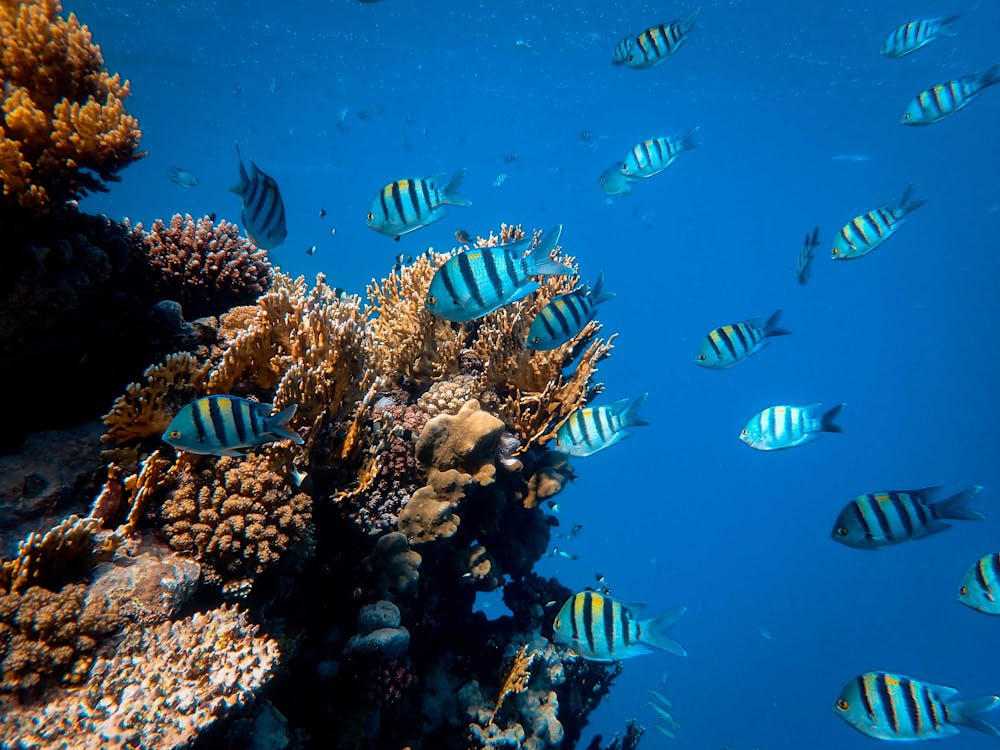
There are several advantages to keeping fish as pets that go beyond the obvious pleasure of company. The relaxing impact of an aquarium is among its most important benefits. According to studies, seeing fish move in a clean aquarium can dramatically lower stress and anxiety levels while also encouraging mental health and relaxation. A calm ambiance taht can improve any living area is produced by the soft movement of fish and the calming sound of gushing water. Observing fish may be a calming experience for many individuals, offering a little reprieve from the worries of everyday life. Additionally, raising fish can be a rewarding pastime that promotes self-control and responsibility. Water changes, filter cleaning, and water quality monitoring are all necessary for maintaining an aquarium. This dedication teaches important life skills that go beyond fishkeeping and instills a feeling of routine and responsibility, especially in children. Taking care of another living being develops empathy and a feeling of achievement, particularly when one sees the fish’s flourishing growth and health. A sense of connection to nature can also be fostered via fishkeeping, which enables people to recognize the intricacy and beauty of aquatic ecosystems. Keeping fish can pique interest and encourage a deeper comprehension of aquatic life and ecosystems for people with an interest in marine biology or environmental science. A deeper understanding of biodiversity and conservation initiatives may result from the experience of building a self-sustaining ecosystem inside an aquarium. The social side of fishkeeping may also be fulfilling; participation in online forums or local aquarium clubs enables hobbyists to network with like-minded others, share experiences, and trade expertise. The entire fishkeeping experience can be improved by the support and encouragement that this sense of community can offer. The hobbyist’s journey can be enhanced by the friendships made through a mutual love of fish, which can result in cooperative initiatives, fish exchanges, and educational opportunities. All things considered, the emotional, educational, and social advantages of owning fish as pets make it a fulfilling activity for both people and families. People that devote time and effort to their aquariums have a stronger bond with nature in addition to an enthralling visual exhibition.
Environmental Aspects of Fishkeeping
Although raising fish can be a fun and fulfilling pastime, there are environmental issues that need to be taken into account. The effects of habitat degradation and overfishing on wild fish populations are among the most urgent problems in fishkeeping. Many common aquarium fish, including some tetras and cichlids, are taken from their natural environments, which, if not done responsibly, may cause local populations to decline. Selecting fish that are produced in captivity rather than harvested form the wild is a key component of responsible fishkeeping. Numerous aquaculture facilities and breeders are committed to sustainable procedures, which minimize the impact on natural ecosystems while producing healthy fish. Additionally, because living plants preserve water quality and give fish natural homes, using them in aquariums can benefit the environment. However, to avoid upsetting natural ecosystems, the sourcing of these plants must also be done sustainably. The appropriate disposal of chemicals and aquarium waste is another environmental factor. If not properly handled, nutrients found in fish waste, uneaten food, and water changes can lead to water pollution. Using eco-friendly items and educating oneself on proper disposal techniques might help lessen these effects. its also important to take into account how much energy is used by aquarium accessories like heaters and filters. The carbon footprint of fishkeeping can be decreased by using energy-efficient equipment and performing routine maintenance. SInce non-native species can upset local ecosystems, it is crucial to consider the possibility of invasive species before bringing new fish or plants into an area. Fishkeepers may help maintain aquatic ecosystems and guarantee that future generations can appreciate the beauty of fishkeeping by being mindful of these environmental issues. In the end, ethical fishkeeping fosters a positive link between people and the natural environment by enhancing the pastime and supporting the preservation and welfare of aquatic life. Aquarists can enjoy their activity and help preserve aquatic habitats and biodiversity by using sustainable practices.
In conclusion
The fascinating adventure of fishkeeping offers a special fusion of duty, beauty, and peace. Knowing the nuances of fish care and and the advantages of owning fish as pets deepens our respect for these amazing animals, from their historical history to the variety of kinds that are accessible. It is crucial that we think about the effects of our actions on the environment as we manage the duties of fishkeeping and work toward sustainable methods that safeguard aquatic ecosystems. We may improve our lives and help preserve the delicate balance that supports aquatic life by cultivating a closer relationship with nature through fishkeeping. The pleasure of watching fish and maintaining a healthy aquatic environment may provide great satisfaction and contentment to everyone, regardless of experience level, making aquarists a fulfilling pastime. We uncover the mysteries of fish life and expand our knowledge of the ecosystems they live in as we continue to investigate this fascinating realm, honoring the complex beauty of life beneath the waves. In the end, keeping fish is a reminder of our connection to nature and the value of stewardship in protecting the environments that support these amazing animals.