
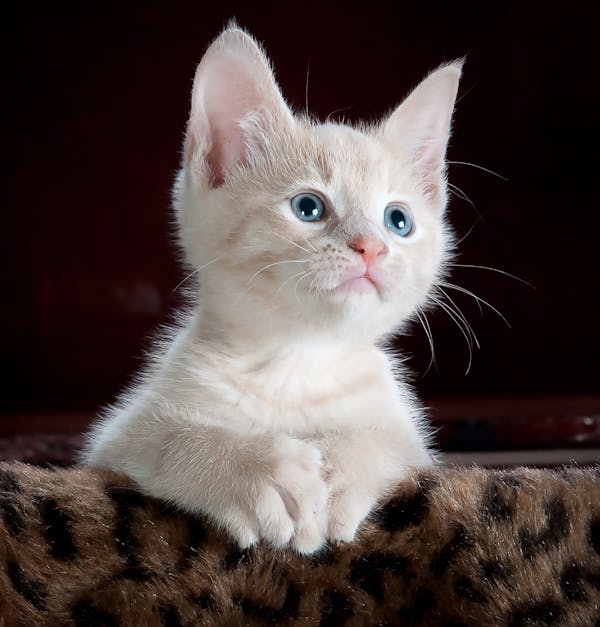
Because of their playful temperament, independence, and loving nature, cats have always had a particular place in our hearts and homes. To ensure your feline companion has a long, healthy, and happy life, it is crucial for cat owners to know how to give them the finest care possible. The essential elements of feline health, such as diet, grooming, medical attention, behavior, and fostering an atmosphere that is stimulating, will be covered in this thorough guide to cat care. You can improve your cat’s quality of life and strengthen your relationship with them by heeding these suggestions and ideas.
The Basis of Health: Nutrition
The foundation of your cat’s health and wellbeing is their diet. Because they are obligate carnivores, cats need a diet high in meat in order to survive. When choosing cat food, give preference to premium brands that specify an animal protein source as the first ingredient. The dietary requirements of cats vary depending on there life cycle, so look for formulas made especially for them. For example, senior cats may benefit from meals reduced in calories but supplemented with nutrients that support joint health and cognitive function, while kittens need more calories and protein to support their growth and energy levels.
Take into account not just the type of food but also the format of the food. Additional hydration from wet food can be especially helpful for cats that are prone to urinary tract problems. COnversely, dry kibble can improve oral health by lowering the accumulation of plaque. Make sure your cat always has access to clean, fresh water, regardless of the kind of food they are eating. Many cats do not drink enough water on their own, despite the fact that hydration is essential for kidney health.
Additionally, using sweets with caution is crucial. Although its fun to treat your cat once in a while, treats shouldn’t account for more than 10% of their daily caloric intake. Overindulging in snacks can result in obesity, which has several negative health effects. As an alternative, think about giving your cat treats during play or training sessions that include some of their regular food. This method allows for bonding moments while also helping them maintain their weight. A solid basis for your cat’s general health and vigor will be established by being aware of their nutritional requirements.
Grooming: Maintaining Your Cat’s Excellent Appearance and Health
Cats’ physical and mental well-being are enhanced by grooming, which is an essential component of cat care. Cats still benefit from routine grooming sessions with their owners, even though they are typically skilled self-groomers. Especially for long-haired breeds, brushing your cat lowers the chance of matting and helps remove loose fur, dirt, and debris. The sort of coat your cat has will determine how often they need to be groomed. While short-haired cats can frequently be groomed once a week, long-haired cats may need to be groomed every day.
Regular bathing may be required in some circumstances in addition to brushing. Since most cats can keep themselves clean, they dont require frequent bathing. However, a bath can be necessary if your cat comes into contact with something sticky or foul-smelling. Because human shampoos might upset the natural pH balance of their skin, always use a cat-specific shampoo. To prevent leaving any soap residue that can irritate their skin, make sure to rinse well.
Additionally, its critical to routinely examine your cat’s teeth, ears, and nails. Regular brushing and dental treatments can maintain maintain oral health, while healthy ears should be clear of debris and wax. Using a toothbrush and toothpaste made especially for cats, gradually introduce tooth brushing. CUtting your cat’s nails every few weeks lowers the chance of damage to your furniture and helps avoid overgrowth. Your cat will feel more at ease and content if you establish a grooming routine, which will make the process fun for both of you.
Health Care: Frequent Visits to the Vet
For your cat’s health and lifespan, routine veterinary care is essential. Adult cats must get yearly examinations, while kittens and elderly cats may require more frequent appointments. Your veterinarian may check for common health problems, update immunizations, and monitor your cat’s health with these routine visits. Preventive treatment is essential; immunizations guard against a number of illnesses, and routine examinations can spot any health problems before they become more serious ones.
It’s important to talk to your veterinarian about preventive treatments including heartworm prevention and flea and tick control. Effective preventive methods can help keep your cat safe from these parasites, which can pose serious health hazards. In addition to controlling the pet population, spaying or neutering your cat can help avoid some health issues, like reproductive cancers.
Keep an eye out for symptoms of sickness, including as behavioral, litter box, or eating changes. Changes that are are subtle, like concealing or increased lethargy, may be signs of underlying health problems. If you see anything out of the ordinary, dont be afraid to seek veterinarian care because early discovery is frequently the key to successful treatment. Your cat will have a longer and more satisfying life if you take proactive measures to safeguard their health.
Comprehending Cat Behavior: Establishing a Solid Bond
Building a solid relationship with your cat requires an understanding of their behavior. You can effectively respond to your cat’s needs by being aware of the various ways they communicate, which include body language, vocalizations, and behavior. A cat that purrs when being caressed, for example, is probably happy nad comfortable, but a cat that hisses or growls might be anxious or afraid. You may make your feline friend’s surroundings more comfortable by keeping an eye out for these behaviors.
Play is a vital aspect of a cat’s existence since it stimulates their minds and bodies. Use toys that resemble prey, such feather wands or laser pointers, to encourage interactive play with your cat. BY giving your cat the opportunity to play every day, you may satisfy their innate hunting drives and greatly improve their happiness and general well-being. Furthermore, giving your cat a range of toys will keep them occupied and stop boredom-related behaviors like excessive meowing or clawing.
It is equally crucial to provide a comfortable and safe home environment. Give your cat comfortable places to sleep, places to scratch, and climbing frames that encourage their natural habits. Cats scratch to establish their territory and maintain the health of their claws, which is a normal and required action. You may let your cat exercise their natural impulses while protecting your furnishings by providing specific areas for them to scratch. Additionally, make sure your house is cat-proof by clearing any potential hazards such poisonous plants and little items that could be consumed. Your kitty friend will feel safer and more content in a safe and stimulating environment.
Establishing an Invigorating Setting: Activities and Enrichment
Cats are perceptive, clever animals that do best in stimulating settings. Boredom can be avoided and mental and physical health can be enhanced by offering stimulation through a variety of activities. Adding vertical areas, such cat trees, shelves, or window perches, is a good approach to create a stimulating environment. Cats’ innate instincts are satisfied and they stay active as they climb and look about from elevated perspectives.
Another important form of enrichment is interactive toys. For instance, puzzle feeders make your cat struggle for their food, stimulating their minds and encouraging good feeding practices. Hunting-themed toys, such electronic mice or feather toys, can stimulate your cat’s hunting instincts and provide hours of entertainment. Because cats are inherently curious and like novelty, changing the toys on a regular basis can keep them interested.
If at all possible, think about adding safe outdoor access to your cat’s surroundings. Your cat can enjoy natural stimuli and fresh air without the dangers of outdoor roaming if you create a safe outside area for them, such a catio. Setting aside time for supervised outdoor trips on a leash can be a rewarding experience for cat owners who would rather keep their pets indoors. Last but not least, implementing regular adjustments, such moving furniture or adding new fragrances, can pique your cat’s interest again and provide a novel and stimulating environment. You may improve your cat’s general happiness and quality of life by making enrichment a priority.
In conclusion
Giving your cat the best care possible strengthens the link between you and your feline freind and is a gratifying and fulfilling task. You can guarantee that your cat has a long, healthy, and happy life by concentrating on important factors including behavior, health care, nutrition, grooming, and environmental enrichment. In addition to enhancing your cat’s wellbeing, knowing their particular requirements and preferences will strengthen your bond with them.
Keep in mind that every cat is a unique individual with their own personality and peculiarities as you traverse the pleasures and difficulties of cat ownership. You can foster a supportive environment where they can flourish by devoting time and energy to their care. The joy they offer to your life will be a reflection of your dedication to their well-being. In the end, a well-maintained cat is more than simply a pet; they become a treasured family member who enhances your life with their love, friendship, and distinct personality.